Lawn Treatment Services in Spring Hill, FL
Lawn treatment in Spring Hill requires more than basic fertilization. Florida’s heat, humidity, sandy soil, and frequent rain create ideal conditions for lawn pests, weeds, and turf disease.
.webp)
Lawn Pest Control for Healthy Lawns in Central Florida
Lawn treatment in Spring Hill requires more than basic fertilization. Florida’s heat, humidity, sandy soil, and frequent rain create ideal conditions for lawn pests, weeds, and turf disease. Without a structured treatment plan, lawns quickly thin, discolor, or become infested with insects that spread toward the home.
Florida Pest Pros provides professional lawn treatment services designed to protect turf, control lawn pests, and support long-term lawn health. Our programs are built around your grass type, soil conditions, and the specific pest pressures common in Central Florida.
Common Lawn Pests in Spring Hill
Many lawn problems begin below the surface before visible damage appears. Common lawn pests in Spring Hill and surrounding areas include:
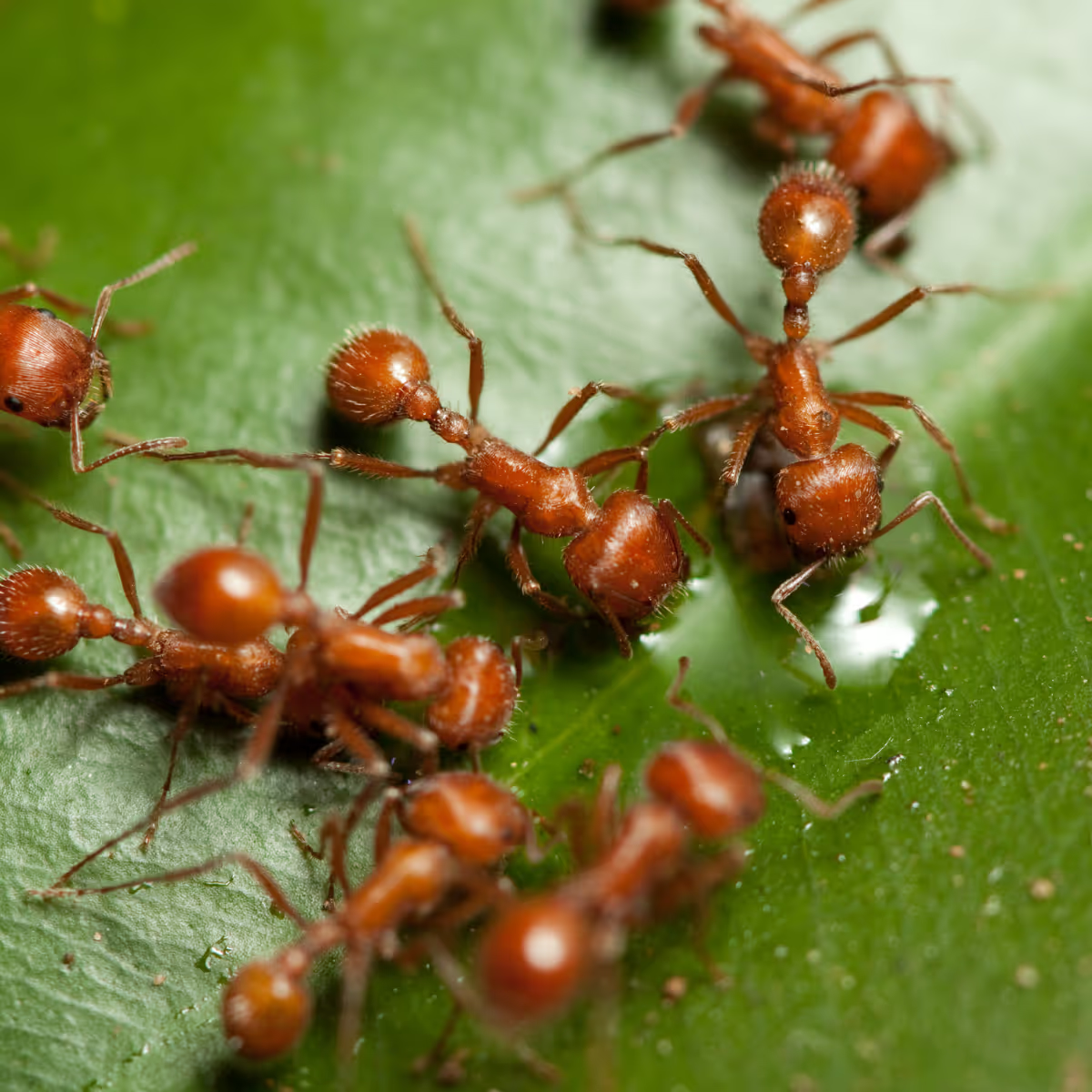
Fire Ants
Fire ants are one of the most aggressive lawn pests in Florida. Their mounds damage turf and create safety concerns for families, pets, and visitors. Fire ant control requires targeted baiting and ongoing monitoring.
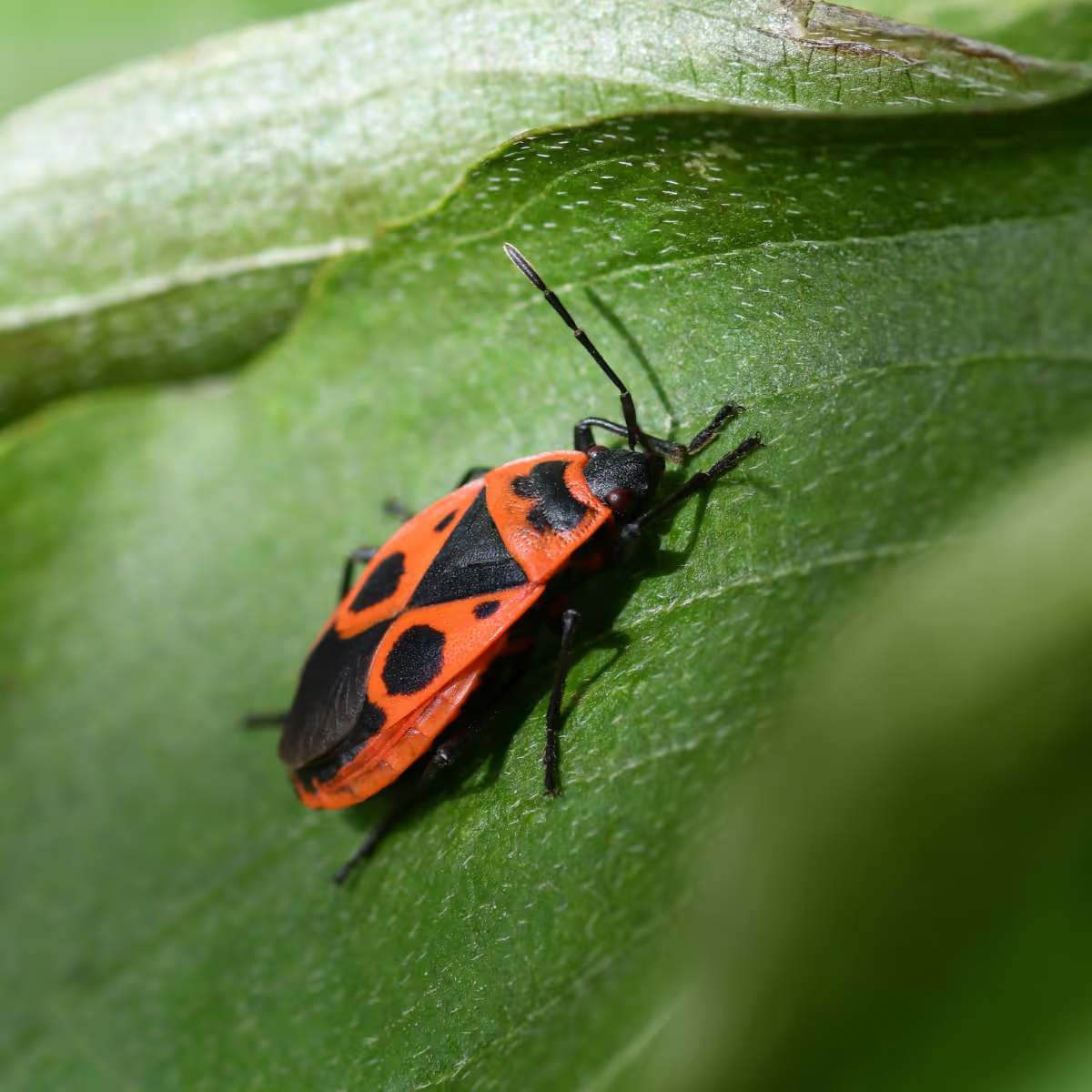
Chinch Bugs
Chinch bugs feed on grass blades and stems, causing brown, patchy areas that are often mistaken for drought stress. These pests spread quickly in warm weather and can destroy large sections of turf if untreated.
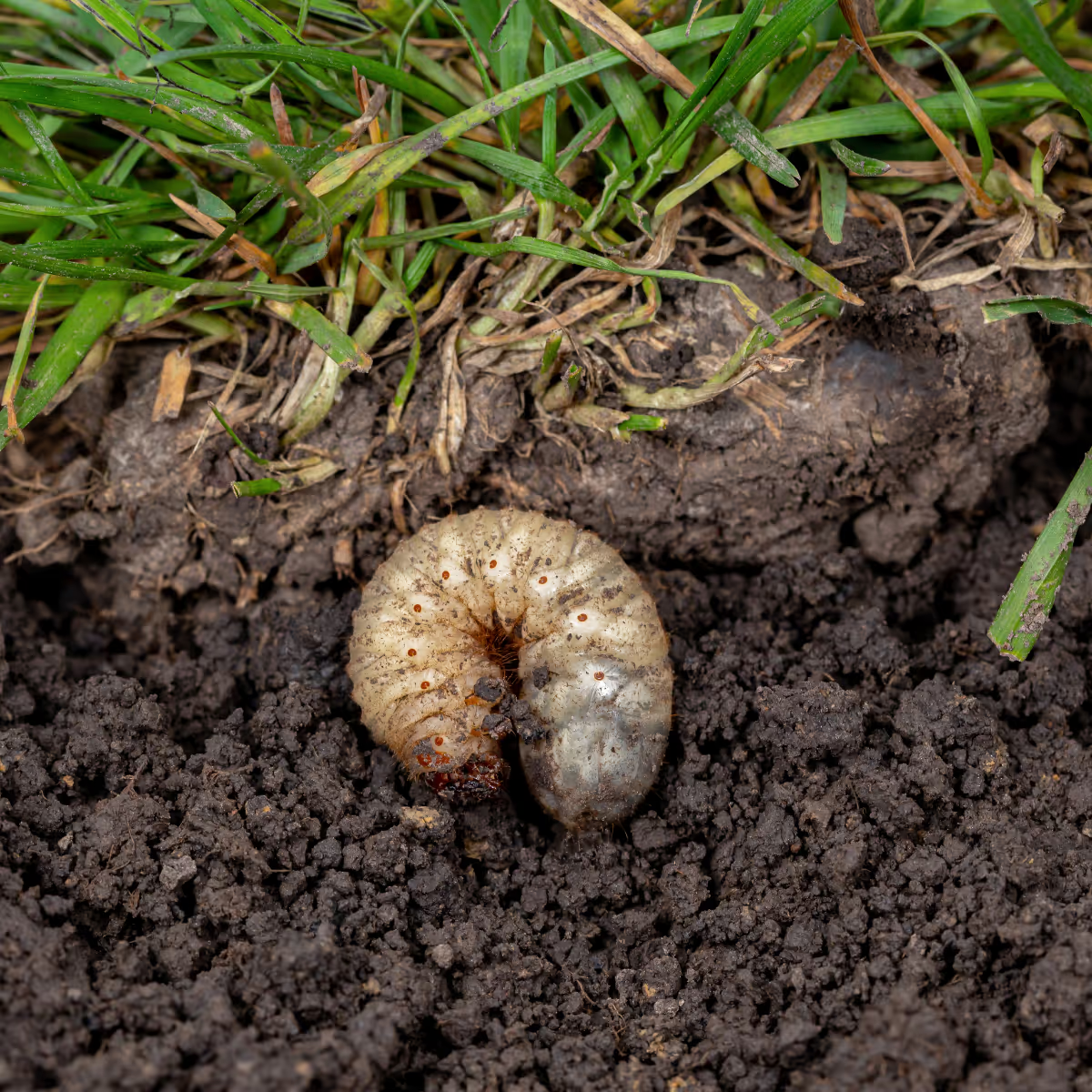
Grubs
Grubs feed on grass roots beneath the soil surface, weakening turf and attracting wildlife that dig for food. Lawn grub infestations often result in spongy turf and dead patches.
Sod Webworms and Caterpillars
These pests feed on grass blades, leaving irregular brown spots and thinning areas. Damage often becomes noticeable during warmer months.
Weed Pressure and Turf Stress in Florida Lawns
Weeds compete with turf for water and nutrients. In Florida lawns, weed growth is often aggressive due to irrigation and year-round growing conditions.
Common lawn weeds include:
- Broadleaf weeds
- Grassy weeds
- Seasonal invasive growth
Without proper pre- and post-emergent treatments, weeds can quickly overtake weakened lawns.
Our Lawn Treatment Process
Our lawn treatment services follow a structured approach designed to support turf health while reducing pest pressure.
Our Lawn Treatment Process
Our lawn treatment services follow a structured approach designed to support turf health while reducing pest pressure.
Lawn Evaluation
We assess grass type, soil conditions, pest activity, weed presence, and overall lawn health. This allows us to apply treatments based on actual conditions rather than assumptions.
Targeted Lawn Pest Control
Treatments are applied to address active lawn pests such as fire ants, chinch bugs, grubs, and other turf-damaging insects. Applications focus on affected areas to reduce unnecessary treatments.
Targeted Lawn Pest Control
Treatments are applied to address active lawn pests such as fire ants, chinch bugs, grubs, and other turf-damaging insects. Applications focus on affected areas to reduce unnecessary treatments.
Lawn Fertilization
Balanced fertilization supports stronger root systems, thicker turf, and improved resistance to pests and disease. Nutrient applications are adjusted to seasonal needs and grass type.
Seasonal Adjustments
Florida lawns change throughout the year. Our treatments are adjusted based on temperature, rainfall, and growth patterns to maintain consistent results.
Get Started!
Don't delay! Protect your lawn today.
Why Lawn Treatment Supports Pest Control
Unhealthy lawns attract pests closer to the home. Insects living in turf, mulch beds, and ornamental landscaping often migrate indoors during weather changes.
Lawn treatment helps:
- Reduce insect populations near the structure
- Support healthier turf and landscaping
- Improve overall curb appeal
- Limit pest movement toward the home
For many homeowners, lawn treatment works best when combined with home pest control and mosquito services.
Lawn Treatment for Residential and Commercial Properties
We provide lawn treatment services for:
- Single family homes
- HOA and community properties
- Commercial landscapes
- Office and retail properties
Each property type presents different turf and pest challenges that require tailored service.
Lawn Treatment Service Areas
Florida Pest Pros provides lawn treatment and pest control services for Central Florida including:
- Spring Hill
- Brooksville
- Weeki Wachee
- Hernando Beach
- St Petersburg
- Lutz
- Land O’ Lakes
- and surrounding Central Florida communities.
Schedule Lawn Treatment in Hernando County
If your lawn is thinning, discolored, or showing signs of pest activity, Florida Pest Pros is ready to help. Contact our team to schedule an evaluation and learn more about lawn treatment services in Spring Hill, FL.
What issues are you noticing in your lawn right now?
Lawn Pest Control FAQs
Find answers to common questions regarding lawn treatment services:
How often should lawn treatments be done in Florida?
Most Florida lawns need treatment every four to six weeks depending on the season. Heat, rainfall, and soil conditions allow pests and weeds to stay active for much of the year.
What lawn pests are common in Spring Hill, FL?
Common lawn pests include fire ants, chinch bugs, grubs, sod webworms, and caterpillars. These pests can damage turf quickly if not treated early.
Why does my lawn have brown or thinning patches?
Brown or thinning areas are often caused by lawn pests, nutrient deficiencies, or disease. Chinch bugs and grubs are frequent causes of turf damage in Florida lawns.
Is lawn pest control safe for pets and children?
Treatments are applied according to label guidelines and based on lawn conditions. Your technician will explain any watering or reentry instructions after service.
Can lawn treatments help with fire ant mounds?
Yes. Fire ant control often includes targeted baiting and treatments designed to reduce active mounds and help prevent new colonies from forming.
When is the best time to treat lawns for pests?
Lawn pest treatments are most effective when started early in the season before populations grow. In Florida, pests can remain active most of the year.
Does lawn fertilization attract pests?
Proper fertilization supports healthy turf and does not attract pests when applied correctly. Weak or stressed lawns are more likely to attract insect activity.
Should lawn treatment be combined with pest control services?
Yes. Treating lawn pests helps reduce insect activity near the home, which supports overall pest control and prevention inside the structure.
How long does it take to see results from lawn treatments?
Results vary based on the issue being treated. Pest activity may reduce quickly, while improvements in turf health and color develop over time with continued care.
Still have questions?
Reach out to us directly:
Schedule Your Free Lawn Treatment Evaluation Today
Stop waiting for pests to become a bigger problem. Contact Florida Pest Pros now and take back your space.