Why February Is a Smart Time for Termite Inspections in Florida Homes
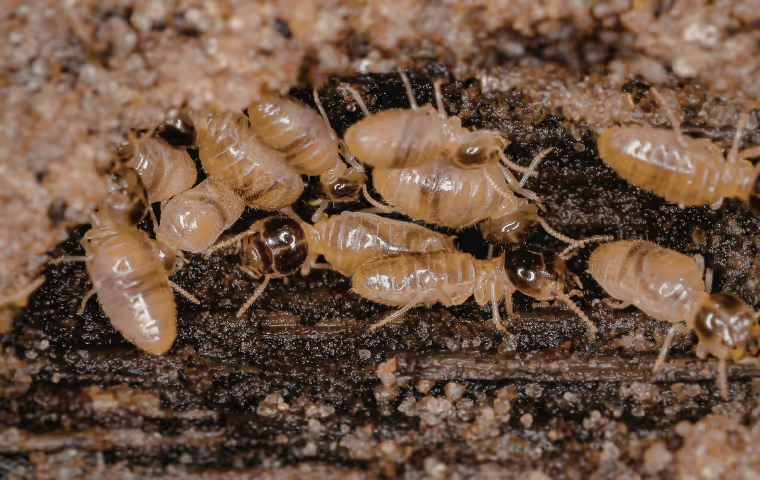
Florida homeowners face termite pressure all year round, but late winter is one of the most important times to schedule an inspection. February sits just before peak swarm season, making it an ideal window to identify termite activity early and prevent costly structural damage.
If you have not scheduled a termite inspection recently, now is the perfect time to consider it.
Swarm Season Is Around the Corner
In Florida, subterranean termite swarms often begin as temperatures rise in late winter and early spring. Swarms are usually the first visible sign of a problem, but by the time you see flying termites, a colony may have been active on your property for months or even years.
Proactive termite inspections help detect signs such as mud tubes, wood damage, or moisture issues before swarming begins. Addressing these concerns early allows for faster and more targeted termite control.
Winter Conditions Make Inspections Easier
Late winter can actually improve the effectiveness of inspections. Vegetation growth is slower, making it easier to see foundation walls and exterior areas where termites build mud tubes. Homes are also typically less humid than in peak summer months, which can make certain signs of activity more noticeable.
A comprehensive inspection during this time gives a clearer picture of your home’s condition before spring growth hides potential warning signs and gets you a head start on termite season.
Protecting Real Estate Transactions
February is also a busy time for home listings and purchases in Florida. If you are planning to sell or buy, scheduling termite inspections early helps avoid delays during closing.
Wood Destroying Organism inspections are often required in real estate transactions. Identifying issues ahead of time reduces the risk of last-minute surprises and supports smoother negotiations.
Preventing Expensive Structural Repairs
Termites feed on wood from the inside out. The damage they cause is often hidden behind walls, under flooring, or within structural supports. By the time visible signs appear, repairs can become extensive and costly.
Routine inspections are a key part of how to prevent termites from causing long-term damage. Early detection allows for corrective action before the structural integrity of your home is affected.
Addressing Moisture Before Spring Rain
Moisture attracts subterranean termites. Late winter is a good time to identify drainage problems, plumbing leaks, or soil conditions that could increase your risk once spring rains begin.
Correcting these issues early works alongside professional treatments to strengthen your overall termite prevention strategy.
Local Expertise Matters
Soil type, construction style, and environmental conditions all affect termite activity. Professional termite control in Spring Hill takes these local factors into account. A systematic approach ensures the correct treatment method is selected, whether that involves liquid soil treatments, bait systems, or monitoring.
At Florida Pest Pros, every service begins with a thorough evaluation to determine the right course of action for your property.
Do Not Wait for Swarms
Seeing flying termites in or around your home is not the first sign you should rely on. February provides a valuable opportunity to stay ahead of swarm season and protect your investment.
Scheduling a termite inspection now supports long-term termite control and helps you maintain a pest-free home throughout the year.
Get Your Free Evaluation Today
Stop waiting for pests to become a bigger problem. Contact Florida Pest Pros now and take back your space.